Building Life Skills for Lasting Recovery
Recovery involves more than managing symptoms or stopping the use of drugs and alcohol. Lasting stability often requires developing the everyday skills needed to live independently, manage responsibilities, maintain healthy relationships, and cope with life's challenges.
Mental health conditions, Serious Mental Illness (SMI), substance use disorders, and periods of instability can disrupt these abilities. Tasks such as keeping appointments, preparing meals, maintaining a routine, managing medications, or communicating effectively may become difficult.
At Serenity Circle Residential Treatment Center in Mesa, Arizona, life-skills development is an important part of residential care. Residents can practice these skills within a structured, supportive environment as they work toward greater stability and independence.
What Are Life Skills?
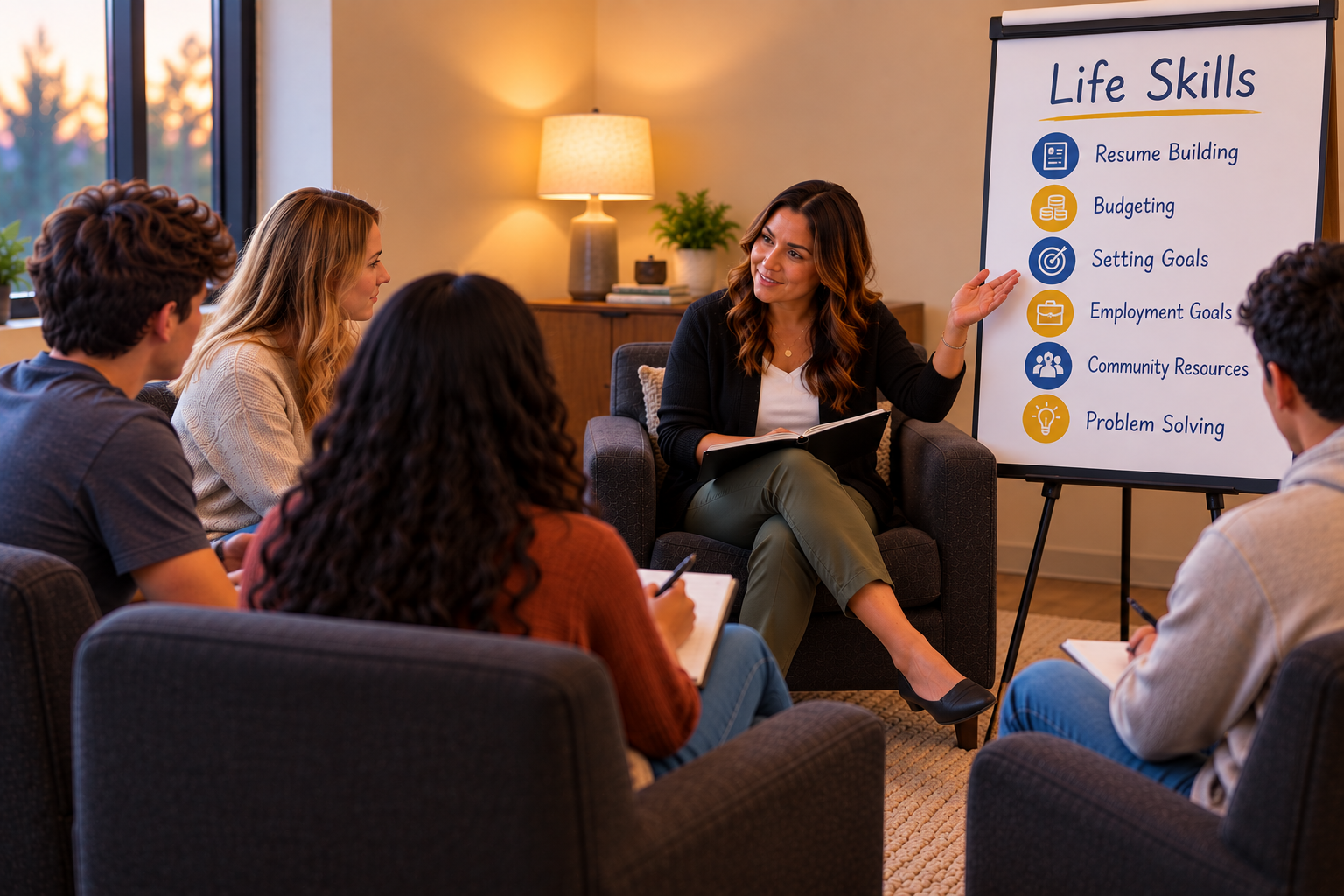
Life skills are the practical and interpersonal abilities people use to manage everyday life.
They may include:
- Personal hygiene and self-care
- Meal planning and preparation
- Maintaining a clean living environment
- Medication management
- Keeping appointments
- Budgeting and money management
- Healthy sleep routines
- Communication and conflict resolution
- Stress and emotion management
- Problem-solving and decision-making
- Time management and organization
- Employment or educational readiness
- Developing healthy social connections
Strengthening these skills can help individuals build a healthier foundation for life beyond residential treatment.
Why Are Life Skills Important in Recovery?
Mental health and substance use challenges can affect much more than symptoms.
During periods of instability, routines may disappear. Appointments can be missed, relationships may become strained, medications may not be taken consistently, and everyday responsibilities can become overwhelming.
Life-skills development provides an opportunity to rebuild these areas gradually.
The goal isn't perfection. It is greater stability, confidence, responsibility, and independence.
Creating Healthy Daily Routines
Routine can provide an important foundation for recovery.
Consistent sleep, meals, medications, appointments, household responsibilities, and healthy activities can make everyday life more manageable.
Residential treatment provides an opportunity to establish these routines within a structured environment. Over time, getting up at a regular time, completing responsibilities, maintaining self-care, and preparing for appointments can become part of a healthier lifestyle.
Medication and Healthcare Management
For individuals living with mental health conditions or SMI, maintaining medications and healthcare appointments may be an important part of stability.
Remembering medications, requesting refills, scheduling appointments, arranging transportation, and following treatment recommendations can sometimes become overwhelming.
At Serenity Circle, residents receive medication management, case management, and care coordination to help them remain consistent with their established treatment plans.
Serenity Circle does not provide psychiatric services onsite. Instead, our team helps residents maintain connections with outside medical, psychiatric, and behavioral health providers.
Building Communication and Relationship Skills
Healthy relationships can play an important role in long-term recovery.
Life-skills development can help individuals learn healthier ways to:
- Communicate their needs
- Set appropriate boundaries
- Manage disagreements
- Ask for help
- Recognize unhealthy relationships
- Build supportive social connections
These skills can improve relationships with family members, friends, coworkers, roommates, and others in the community.
Managing Stress and Difficult Emotions
Life after residential treatment will still include stress, disappointment, conflict, and unexpected challenges.
Recovery involves learning how to respond to these situations without returning to unhealthy coping behaviors.
Residents can practice identifying triggers, regulating emotions, tolerating distress, problem-solving, and using healthier coping strategies.
Skills informed by approaches such as CBT and DBT can help individuals recognize unhealthy patterns and develop more effective responses to difficult thoughts, emotions, and situations. Learn more about our specialized therapies.
Life Skills and Substance Use Recovery
Life-skills development can be particularly valuable during recovery from a substance use disorder.
Alcohol or drugs may have become connected to a person's routines, relationships, social activities, or ability to cope with stress. Recovery requires developing healthier alternatives.
This may include learning how to manage cravings, structure free time, avoid high-risk situations, build supportive relationships, handle money responsibly, maintain employment, and manage stress without returning to substance use.
These practical skills can complement relapse-prevention strategies and help individuals build a lifestyle that supports continued recovery.
Life Skills for Individuals With SMI
Serious Mental Illness can significantly affect a person's ability to manage everyday responsibilities.
Someone may struggle with self-care, medications, household responsibilities, finances, transportation, appointments, employment, or relationships.
Life-skills support can help break larger responsibilities into manageable steps and establish routines that can be repeated consistently.
The goal is to help each person function as independently as possible, recognizing that everyone's needs and abilities are different.
Why Practice Life Skills in Residential Treatment?
Life skills are difficult to learn from a worksheet alone.
A residential behavioral health setting gives individuals opportunities to practice them as part of everyday life.
Residents can practice following schedules, maintaining their personal space, managing medications, interacting with others, attending appointments, completing household responsibilities, and handling challenges as they occur.
This helps bridge the gap between learning about recovery and actually living in recovery.
How Serenity Circle Builds Life Skills in Mesa, AZ
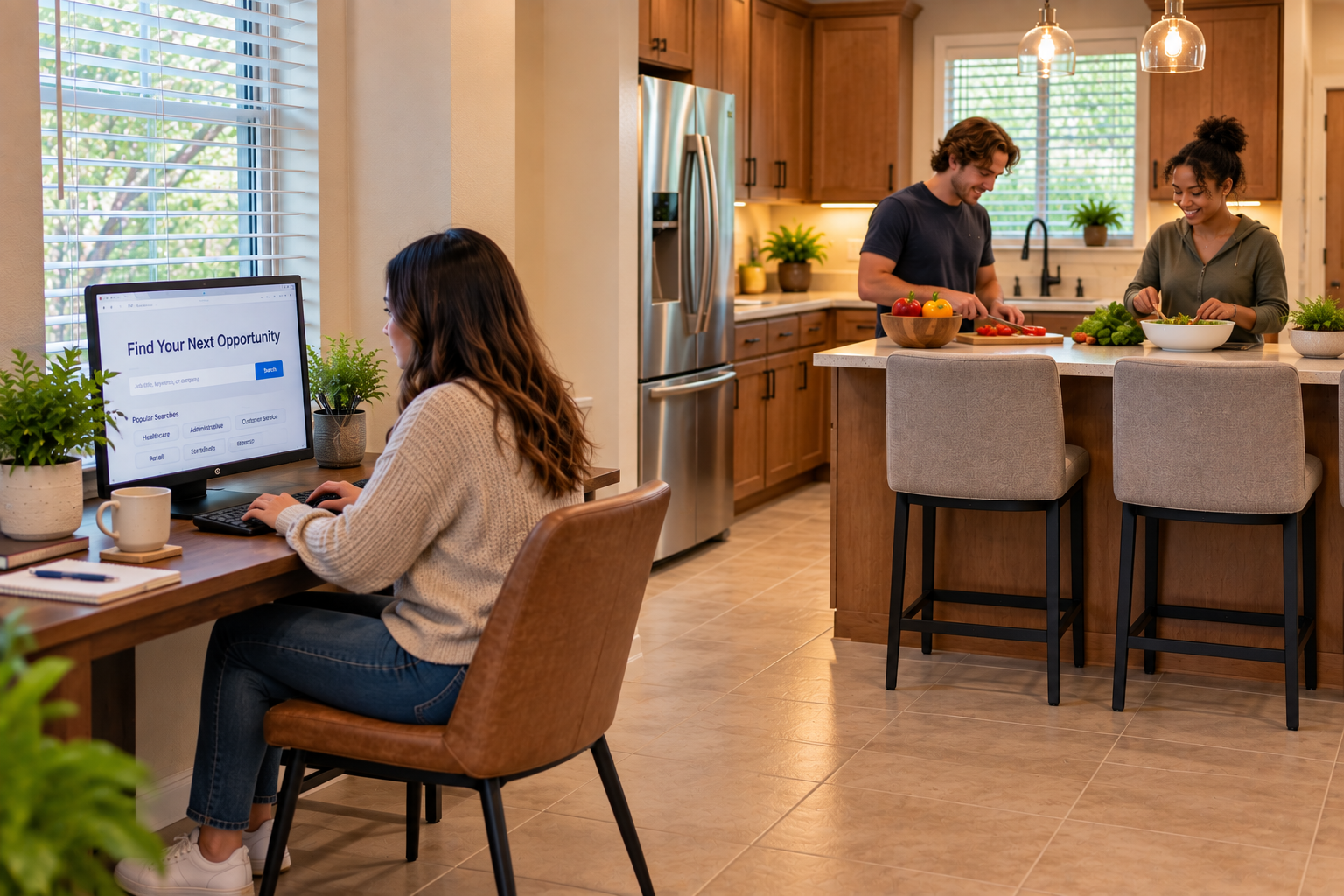
Practicing real-world life skills — meal preparation, daily routines, and vocational readiness — in a warm, home-like setting at Serenity Circle RTC in Mesa, AZ.
At Serenity Circle Residential Treatment Center in Mesa, Arizona, our goal is to help residents strengthen the skills and routines needed for long-term stability and greater independence.
Depending on individual needs, life-skills support may include:
- Personal hygiene and self-care
- Healthy daily routines
- Medication and appointment management
- Meal planning and household skills
- Communication and relationship skills
- Emotional regulation and coping strategies
- Time management and organization
- Budgeting and money-management skills
- Community integration
- Substance use and relapse-prevention skills
- Case management and care coordination
- Preparing for greater independence
Residents can practice these skills within a supportive residential environment before being expected to manage them independently.
Preparing for Life After Residential Treatment
Recovery isn't simply about completing treatment. It is about building a life that supports continued recovery after treatment ends.
As residents become more stable, preparation may include maintaining outside behavioral health appointments, managing medications, developing healthy support systems, continuing substance use or mental health services, or managing a dual diagnosis, pursuing employment or education, and maintaining stable housing.
The routines and practical skills developed during residential treatment can provide a stronger foundation for that transition.
Life Skills & Residential Treatment in Mesa, Arizona
For adults experiencing mental health conditions, SMI, substance use disorders, or dual diagnosis, developing everyday life skills can be an important part of achieving greater stability.
Serenity Circle Residential Treatment Center in Mesa, AZ provides a structured, home-like environment where residents can strengthen coping skills, establish healthy routines, receive medication and case-management support, and practice the responsibilities needed for greater independence.
Contact Serenity Circle today to learn more about residential behavioral health treatment and life-skills development in Mesa, Arizona.
Frequently Asked Questions About Life Skills
If you or someone you know is experiencing a mental health crisis or having thoughts of suicide or self-harm, call or text the 988 Suicide & Crisis Lifeline at 988. In a life-threatening emergency, call 911.
Key Takeaways
- Recovery requires everyday practical abilities to live independently, manage responsibilities, and maintain relationships.
- Routines for sleep, meals, hygiene, appointments, and medications provide the foundation for stability.
- Skills informed by CBT and DBT help residents manage stress and emotions without returning to substances.
- A structured residential setting allows residents to practice life skills in real time before transitioning home.
- Serenity Circle coordinates care and provides medication and case management to support lasting independence.
Serenity Circle Clinical Team
The Serenity Circle Clinical Team brings together licensed therapists and in-house case management together with psychiatric providers and community resources, dedicated to trauma-informed residential care for severe mental illness, substance use, and dual diagnosis in Mesa, AZ.
Ready to Take the Next Step?
Our admissions team is here to listen with compassion and answer every question — no pressure, no judgment.